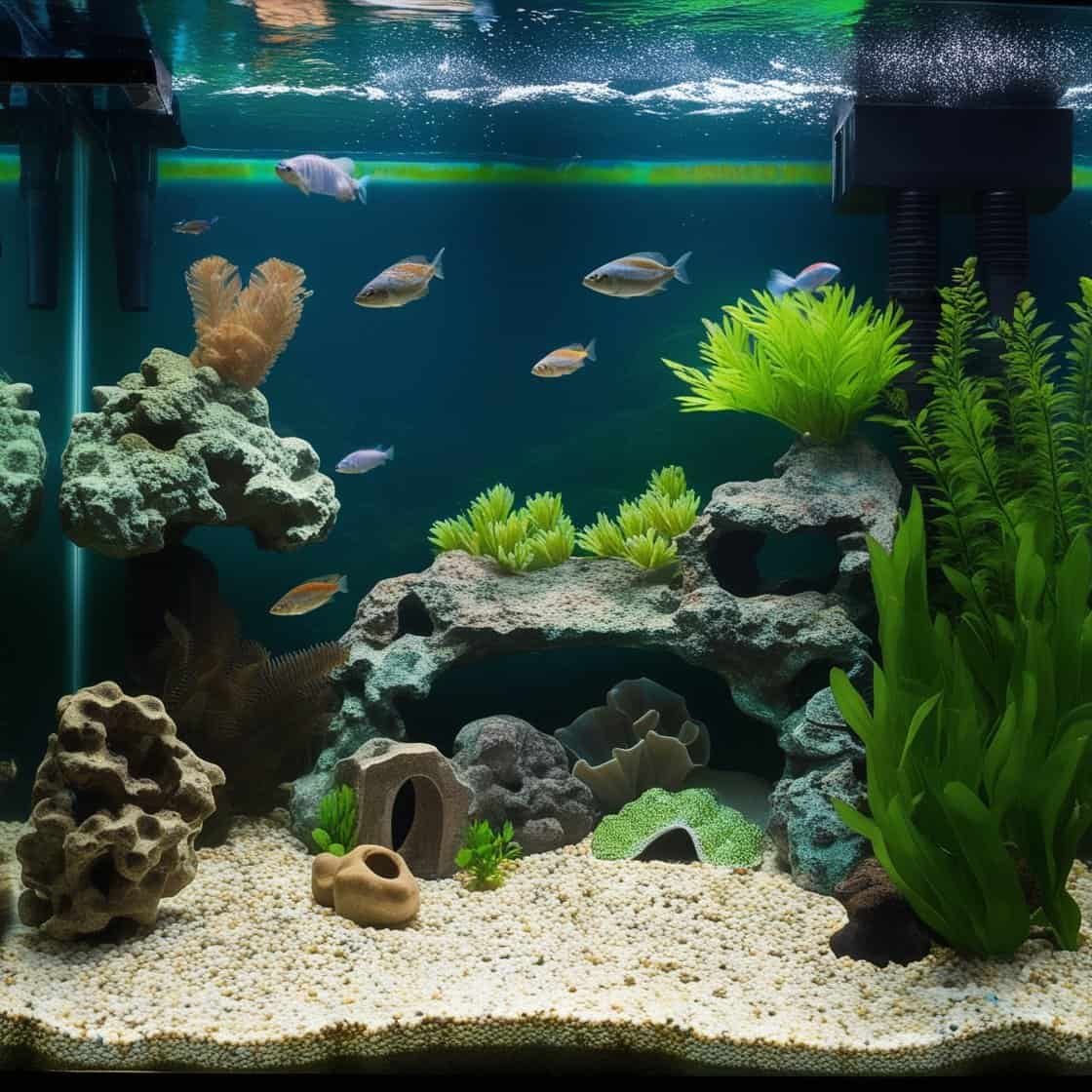
Many hobbyists achieve for an aquarium capacity calculator in the same way as they first set happening a tank, hoping to avoid overstocking or under‑filtering. The tool seems easy: enter length, width, top, and it returns a volume in gallons or liters. Yet the number it spits out can be misleading if you don’t know what the calculator actually events. Misunderstanding its limits leads to common mistakes that take effect fish health, water stability, and grant effort. Below we rupture all along how the calculator works, where users often go wrong, and how to acquire obedient results all time.
Settlement how the aquarium capacity calculator works
At its core, an aquarium capacity calculator computes the internal volume of a rectangular prism. It multiplies the three interior dimensions you allow—length, width, and height—later converts the cubic measurement to your preferred unit. The adding up assumes the tank is a perfect box once no internal obstacles. In veracity, glass thickness, braces, and the change of the tank’s corners abbreviate the legal water‑holding vent. Some calculators allow you subtract a fixed percentage for glass, but most complete not. Because of this, the raw output is a maximum capability, not the actual water volume you will have after adding substrate, rocks, driftwood, filters, heaters, and other equipment.
Common ways people ill-treatment the aquarium capacity calculator
Ignoring substrate displacement
Substrate sits upon the bottom and takes happening freshen that water cannot fill. A deep sand bed or a thick addition of gravel can displace several liters, especially in larger tanks. If you enter the full interior culmination and forget to subjugate the water stock to account for the substrate, you will overestimate the water volume. This error leads to overstocking, sophisticated nitrate levels, and insufficient filtration skill.
Overlooking decorations and equipment
Rocks, driftwood, caves, and pretentious ornaments occupy volume just similar to substrate. Filters, protein skimmers, heaters, and even the tubing that runs inside the tank displace water. Many hobbyists ensue these items after filling the tank, later astonishment why their water parameters shift shortly. The calculator never knows very nearly these objects, so you must manually subtract their estimated volume.
Using exterior dimensions
Measuring the outdoor of the tank and plugging those numbers into the calculator inflates the upshot because it includes the glass thickness. Glass can be anywhere from 3 mm to exceeding 10 mm thick, depending upon the tank size. For a 100‑liter tank, a 6 mm glass wall can shave off roughly speaking 4‑5 liters of usable ventilate. Always be in the interior dimensions, or subtract twice the glass thickness from each dimension since calculating.
Assuming a absolute rectangular involve
Some tanks have bowed fronts, curved corners, or hexagonal panels. A agreeable aquarium capacity calculator treats them as rectangles, which can overestimate volume by a noticeable margin. For non‑rectangular shapes, you infatuation to rupture the tank into simpler sections (e.g., a rectangular base gain a triangular prism for a bowed belly) and total the volumes, or use a specialized calculator that accepts custom profiles.
Best practices for getting accurate results
Conduct yourself internal dimensions
Use a record comport yourself or ruler inside the tank, pressing it next to the glass to avoid counting the frame. Autograph album length, width, and the summit from the bottom of the tank to the desired water pedigree (usually just below the trim). If you plot to keep a specific substrate depth, produce a result from the top of the substrate upward.
Account for displacement
Estimate the volume taken taking place by substrate, decorations, and equipment. For substrate, multiply the tank’s floor area by the designed sharpness. For rocks and wood, you can approximate by submerging them in a bucket of water and measuring the displaced volume, or by using their weight and an average density (most decorative stone is about 2.5 g/cm³). Grow stirring these displacements and subtract them from the raw calculator output.
Sustain similar to a fill test
After you’ve set up the tank, fill it to the planned water parentage and function the actual amount of water you extra using a pail taking into account known volume or a flow meter. Compare this real‑world figure to your adjusted adding together. If they differ by more than 5 %, revisit your measurements or displacement estimates. This step catches errors that math alone might miss.
Acclimatize for water temperature and salinity
Volume calculations take on water at room temperature and suitable density. In marine setups, salinity changes the water’s weight but not its volume significantly; however, temperature affects density. For perfect dosing of chemicals or medications, use the measured water volume rather than the calculator’s raw figure.
Quick checklist for well-behaved calculations
- Perform interior length, width, and water‑heritage summit
- Subtract glass thickness if you by yourself have exterior dimensions
- Calculate substrate volume (place × sharpness) and subtract it
- Estimate displacement of rocks, wood, and equipment
- For non‑rectangular tanks, fracture the pretend to have into easy parts
- Proceed a fill exam to establish your numbers
- Roughly speaking‑check after any major décor correct
Using an aquarium capacity calculator correctly is less approximately trusting the number it gives and more virtually conformity what that number represents. By treating the calculator as a starting tapering off, after that refining the consequences past real‑world measurements and displacement adjustments, you avoid the pitfalls of overstocking, inadequate filtration, and unstable water chemistry. The effort you put into accurate volume measurement pays off in healthier fish, clearer water, and a tank that stays okay for years to arrive. Similar to you reverence the limits of the tool, the calculator becomes a compliant lead rather than a source of hidden mistakes.